Dial1st Glazing also offer premium doors to boost the look and lustre of your home – keeping its kerb appeal fresh and vibrant whilst also maintaining the property’s capacity for warmth and security. Simple switching your existing front door for a new model fitted with enhanced materials, hardware and technology can disrupt heat loss and reinforce protective measures,increasing your home’s value alongside its attractiveness.

DoorsMaximum Performance. Minimum Upkeep.

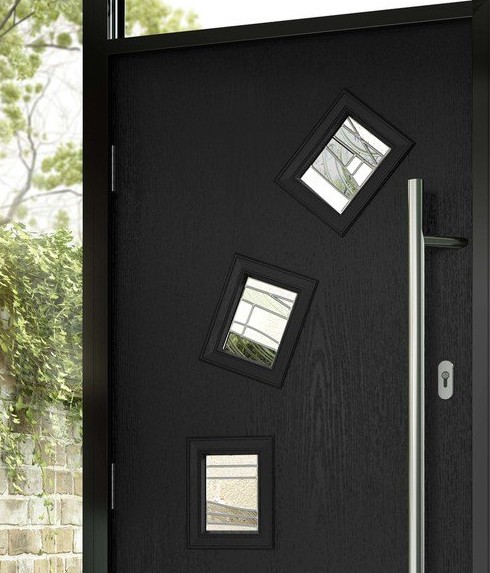
With understated options for the timeless glamour of older homes and bolder swatches for properties looking to make a statement, review our options below and reap the benefits of one of our snug and stylishly fitted entrances and exits.
Types of Doors
uPVC
uPVC doors maintain the effortless and easy charm of low maintenance whilst still being endlessly customisable. We provide A-rated double glazing options to suit every one of our designs, and make sure that the highest quality of energy efficiency provided in our range is affordable, attractive and applicable to every home on the market.
- Durable & Dependable (Warp & Flex Resistant)
- Minimal Maintenance Required
- Easily Customisable
- Affordable & Attractive


Composite
Composite doors can replicate the classic design and touch of timeless material like timber whilst providing added security and warmth. Weatherproof and incredibly secure, composite doors are built to slot seamlessly into modern builds and older homes alike, preserving a sense of prestige and power alongside their added sturdiness and excellent heat retention.
- Thicker Internal Cores than uPVC
- Superior Energy Efficiency
- Highly Secure
- Premium Option for A Prestigious Look & Feel
FAQ
FAQ's
This often depends of the material of the door at the property and how long it has been installed. uPVC doors can operate at optimal condition for 20-25 years, whilst composite or timber doors can maintain their integrity for at least 30 years.
If your property is an older home with an original front door that serves as a visual or aesthetic nod to its history, it’s best to check for signs of wear and tear, draughts around the door or the quality of its closure (i.e. does the door stick/ is it difficult to open and close?)
This can also apply to internal doors, which are less prone to weather-related damage but can age over time with continuous usage.
If the door isn’t experiencing any faults but looks out of place with the rest of the property, you can always replace the door for aesthetic reasons or to make the property more visually appealing.
Doors should first and foremost protect any occupants from harmful situations or the effects of dangerous and adverse weather. Make sure any door you purchase fits the regulations for the building (i.e. fire-rating, conservation borough features if applicable) and is supplied by a manufacturer than can vouch for its energy efficiency, weatherproofing, safety and security features.
It is possible to implement these features across a variety of looks, styles and materials, so consider the visual features you would also like to incorporate alongside hardware like letterplates and door handles.
Replacing property doors can add significant value to a home for a number of reasons.
Front Doors are the first feature someone will see and interact with when visiting a property. The detail, quality and condition of the door indicate what should be expected from the rest of the home.
External and internal doors also contribute to the overall energy efficiency experienced through heat loss and unaccounted air flow (such as draughts) throughout the property over the course of the year.
If your current property doors have damaged locks, handles or features that aren’t up to modern security standards, they can present as an easy target for forced entry or a risk in the event of an emergency (such as a fire). Keeping internal and external doors in good working condition can therefore impact the cost of home insurance, property heating or building maintenance later down the line.